Disclaimer: The information in this post is presented without warranties. You use this information at your own risk. Investing involves risk and you may lose money. Only invest what you are willing to lose.
You might have noticed the stock market falling. Tariffs, rumors of trade wars, and potential profit warnings have sent prices reeling.
It can leave the casual observer wondering if there’s anything within your control.
The surprising answer is: Yes. Quite a bit actually.
Investing can be a great way to build wealth, especially one that doesn’t require a lot of active management. And passive income is the best way to build sustainable wealth.
But there’s a question everyone should answer before they rush in: how much are you willing to lose?
Getting the right mindset
Yes, focusing only on loss can keep you from achieving your dreams.
But investing is not like marketing. There can be major events that create significant losses.
And I’ve seen several in my short time as an investor.
The Great Financial Crisis, the COVID collapse, and the inflation bear hitting the bond market all spooked investors. Especially those over extended on hope.

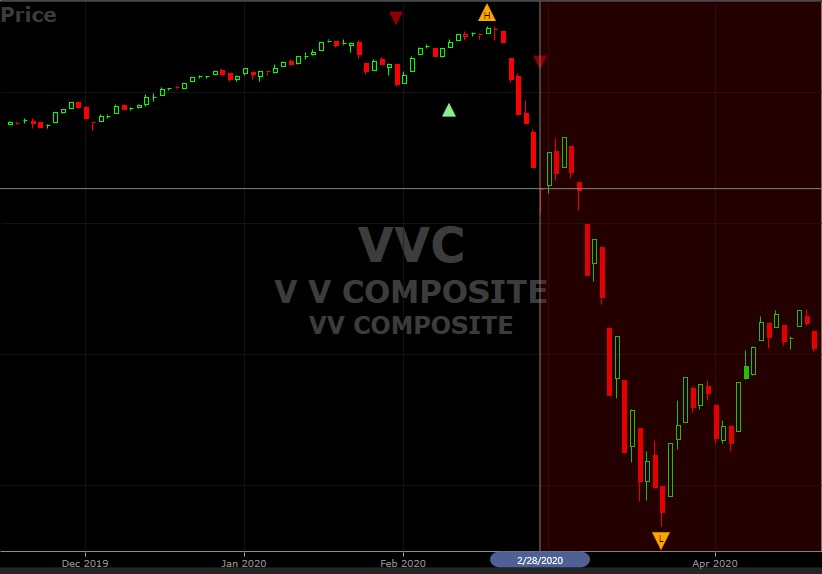
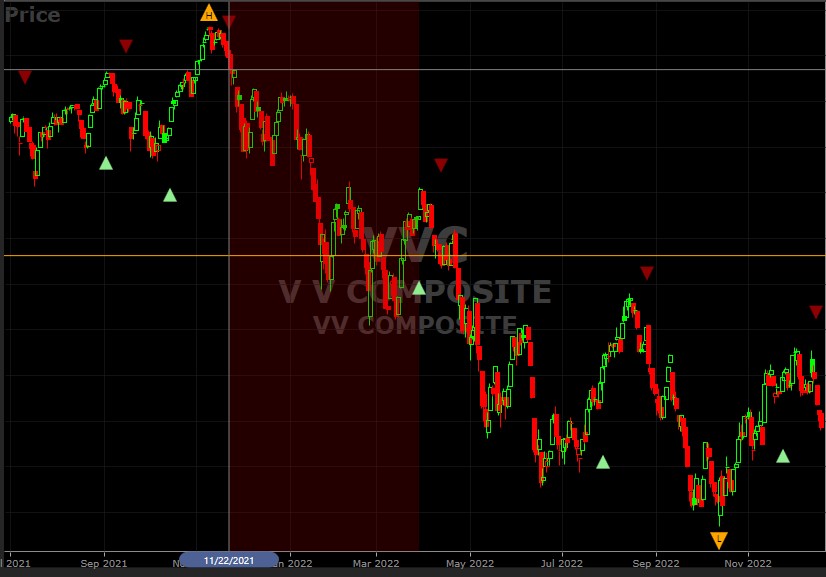
(More on how to avoid holding the bag on these later)
There’s also a risk of getting lost in rabbit holes about the best way to protect yourself from a downturn. This goes for private investments, publicly traded stocks, and investing in yourself.
So the best tip I can give anyone starting out is to answer that question: how much are you willing to lose?
Keep it simple
The advice that worked best for me: Don’t lose more than 1-2% on any trade.
Stupid simple, right? It doesn’t need to be more complex than that.
So how do you practice that?
Let’s say you’re a relatively new investor who’s only been able to put aside $10k. (We all have to start somewhere). The maximum you would want to lose is $200.
This applies to a Reg A offering as much as the stock you want to trade.
For an independent investment you can’t touch for several years and no guaranteed return, you should only buy $200 of shares.
On the other hand, you could invest $1000 with a 20% trailing stop loss in a big name stock with plenty of liquidity.
Either way, you’re able to spread yourself around a little more to expose your portfolio to more winners.
And diversifying like that gives you a better chance at a big win.
The World is Yours
A world of investment opportunities awaits you, with more startups forming every day. Prolific online marketing has made it easier than ever to push opportunities to you.
So should you back yourself against the wall to get more productive? Not when you have people relying on you to put a roof over their heads and food on their plate.
Those sort of desperate strategies don’t work well for families. Especially if you can enjoy your time with them instead.
Don’t get me wrong. Action is still important. But you want to be able to survive a bad investment.
So figure out how much you’re willing to lose. It will keep you calm and present for your family.
Affiliate Corner
Dr. David Paul (RIP) inspired the strategy in this post. If you need a tool to find the best times to invest and the best targets to invest in, try VectorVest today.
Want more ideas on what values to pass on to your kids? Subscribe today and be the first to get more content delivered to your inbox.
Looking for other parts of this series? Check out these related articles from Liberty Begins At Home:
 Liberty Begins At Home
Leave a comment