The initial reviews of Animal Farm had me on edge.
Would it be a half-hearted anti-capitalist remake of George Orwell’s classic? Or would the “cautionary tail” hit the mark?
I walked into the theater not sure what to expect. Never a fun feeling. Especially when I have five kids with me.
But the movie ended up giving a rich discussion on a rainy Saturday afternoon.
“What kind of discussion?” you may wonder.
Well, buckle up. Nuance is a bumpy road worth traveling.
Much of the same…
Yes, the movie goes beyond Orwell’s book. But only after it hits all the main plot points.
And it goes on to deepen them.
Why is that important?
Because Orwell thought through what it takes for an oppressed underclass to throw off its rulers. In this case, the farm animals avoid becoming collateral (read: meat product) for their farmer’s debts.
And he described what happens in the power vacuum when a strong man steps up to consolidate power after the revolution. Here, where Napoleon lines up a pack of attack dogs and chanting support from the sheep to lead his ascent to power.
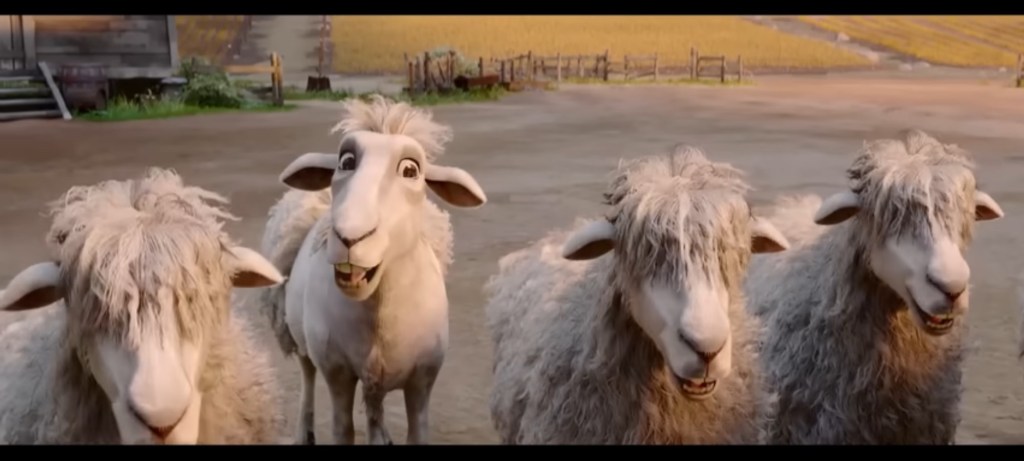
(Credit: Angel Studios)
But the novella stops when the pigs take the place of the humans. We’ve had 80 years of experience since then to recognize what comes after. This update is overdue.
That’s the beauty of how this movie deepens the warnings from the book.
…With something new
Leading up to that point is something that works: the animals work together to make the farm work, each contributing their own unique gifts.
They build their new society on commonly accepted rules promoting temperance and working for each other. They sell their produce and start paying the mortgage the farmer defaulted on. This gives them a taste of freedom they didn’t know before.
Here’s the first big lesson: hard work and prudence pays off.
But hard work has to be consistent to be effective. And when you wake up exhausted from the previous day’s work, it’s hard to think about the future.
This is when Napoleon opens the winter granaries to everyone. Grain he and the pigs didn’t work to accumulate. While the animals are distracted, he bends the rules to favor the pigs decadence, squanders the profits from the harvest, and ends up indebted to a mega-corporation bent on taking over the farm.
That’s the next big lesson: easy steals your future.
Now, the animals who used to provide for themselves have to turn to breadlines.
Managed by the pigs.
Who are still squandering resources they didn’t earn.
And what happens when you stare down an indeterminate future with no will or resources to take it on? That leaves an opening for someone to swoop in with a bigger promise of ease that ultimately steals your freedom.
After that point, your neighbors become collateral as a means to your survival. If they don’t trade you in first, that is.
That’s the final lesson: don’t give up so much agency that you can’t make your own decisions.
So far, pretty good lessons. But what about the anti-capitalist controversy?
Seeing is believing
It seems to me that stems from the person who trades futures for subsistence. She’s the owner a mega-corporation trying to get at Animal Farm’s land. Because Napoleon needs a bailout, she provides a lifetime supply of all the grain the animals can eat.
It’s just a pity the animals become collateral again because of it.
But this is where the modern update is on point.
The rest of the allegory
Think about what we’ve faced this century. We’re finding more and more our economy is distorted from series of government-industrial complexes. Ones that thrive on optimizing how much they can squeeze a population with bigger promises and lower service levels.
Why don’t those complexes meet resistance? Because their services meet the people’s needs and their profits flow into the people’s 401(k)s.
Kinda like bottomless feedhouses of winter grain.
If people are distracted with that, you can start a war of retribution resulting in increased opium production from that same country. Because it boosts defense stocks.
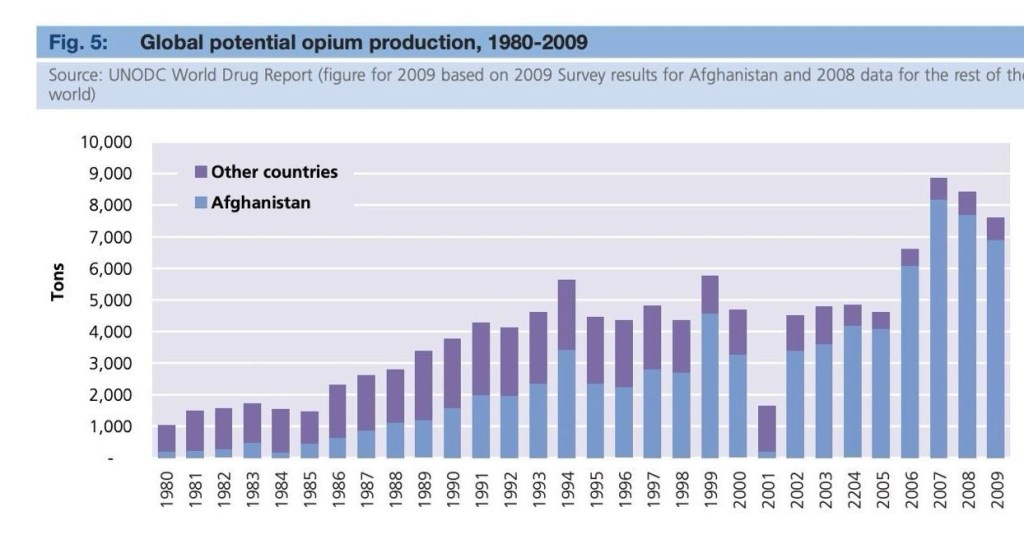
Then save your people from a public health crisis when opioids become too abundant.
Right before you bioengineer a virus for which you proclaim only a handful of companies can produce a vaccine. Companies with which you have royalty agreements for sales.
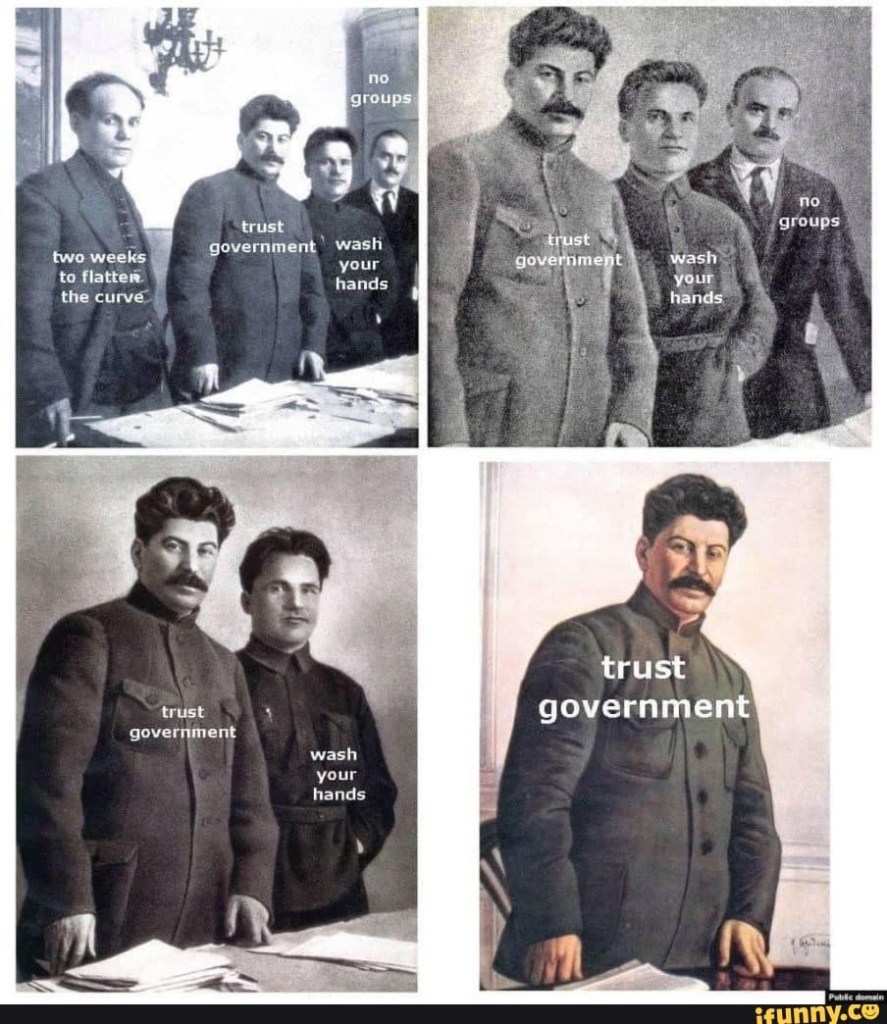
Because we need to keep 401(k)s afloat. Otherwise the government-backed safety net could fail.
And because of the trading of actual production capacity for financial instruments, prices go up because there are fewer companies making goods.
But it’s ok because we’ve exchanged hard work for easy money.
Right? We’re going in circles on a downward spiral.
Let me be clear here: government-industrial complexes are not the same as free market capitalism. The latter establishes freedom and prosperity through personal responsibility. The former gives an avenue for exploiting the resources of unearned wealth.
Just like Napoleon did.
What it means for you
So how are we holding each other accountable in this kind of world?
Can we even do that? At least without a series of revolutions that never seem to change who’s on top?
We only see one full cycle in Animal Farm. It doesn’t answer that question directly.
But it starts the conversation: where can I put my hard work without being exploited? And who can I work with to keep that from happening?
It’s a conversation worth having with your kids as well.
Affiliate Corner
Being the best you can be doesn’t mean going it alone. Join the good people at Tom Woods’ School of Life for the most helpful coaches, accountability groups, and masterclasses so your fields don’t get paved over like Animal Farm.
There’s more content coming on conversations to have with your kids. Subscribe today to have them delivered directly to your inbox.
Check out these related posts before you go:


Leave a Reply