“Make sure you charge enough that people stay interested.”
I’ve heard this advice repeated by so many gurus. I’ve seen a number of friends do it and succeed.
Still, it feels wrong to charge more for the same thing.
But what if that intention counted for something on the buyer’s part?
Especially if they’re in the lower income brackets struggling to make ends meet?
And what separates that from predatory lending?
An obituary to ponder
Those are the questions I ask myself looking at Denny Sanford’s obituary.
The headline is he gave $4 billion of his wealth to charity in an attempt to die broke.
Sounds noble, but:
Underlying it is charging high interest and fees on credit cards that won him his fortune.
Seems sketchy at first glance, but:
Underlying that are a group of people who needed a second chance to rebuild their credit. People without access to money who needed a way to buy groceries.
People are complicated…
But they’re also predictable.
If the situation people find themselves in is uncomfortable enough, they find a way to escape the discomfort.
So can high fees mean something other than corporate greed?
More than one side
I don’t like paying any more than I have to. I’m sure you don’t, either.
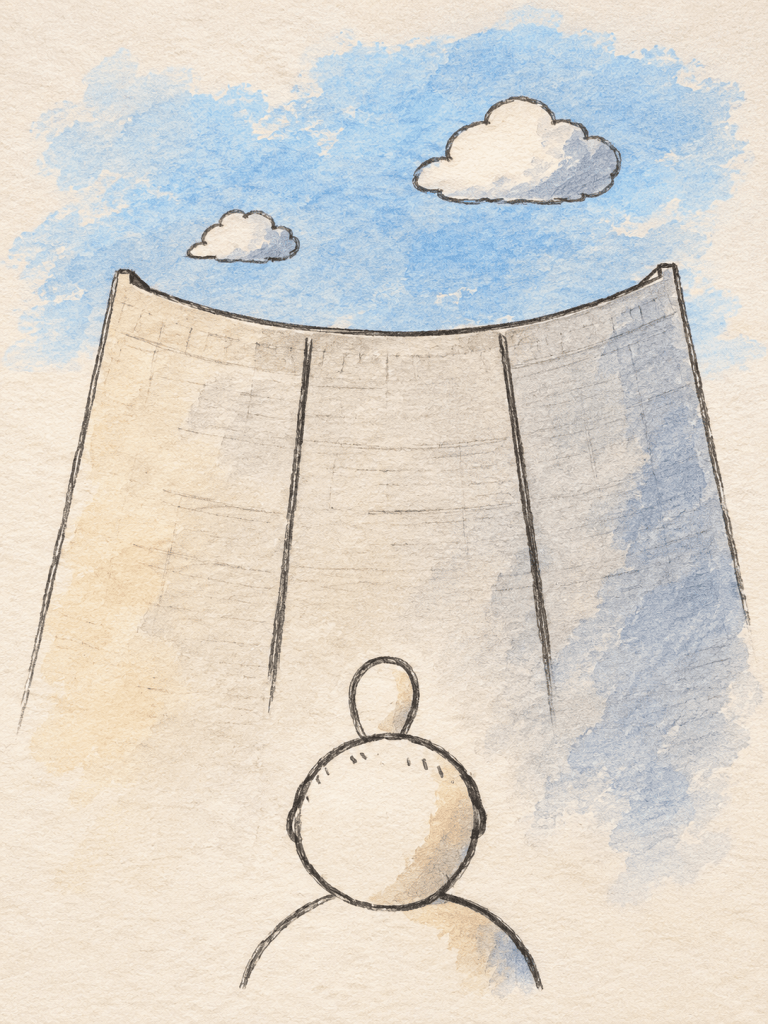
But I’m also prone to mistakes. I’ve made a few. Staring up at the wall you have to climb out of the situation seems daunting at first.
And I like having second chances. Even if it does cost something to get them.
And there’s a whole industry of people working to provide those second chances.
…on houses people can no longer afford to take care of.
…on extending credit card payments at a lower interest rates to take off the pressure from high balances.
…on gurus marketing the internet business idea that got them to the better place they are at today.
Not only that, we love a second chance story. There’s something gratifying about the felon or homeless man who was given a second chance and built a business or held down a job. Because redemption is for everyone and the mistake (or series of mistakes) isn’t the end of the story.
No such thing as a free lunch
So what should a second chance cost?
If the second chance doesn’t cost enough, would you appreciate it? Or would you walk past a lower-priced version of it?
Think about the last time you scrolled your feed and found a helpful tip.
Do you stop and apply it? Or do you swipe to the next video before the seed can take root?
But if that video cost you something to watch, how much more likely would you be to stop, take notes, and find out how to apply it in your life?
That’s exactly the point. And it doesn’t stop with information.
OpenResearch tried the same thing with universal basic income. Sure, some people took more chances. But not enough to call it a success. Plus, people were making less money from their jobs when UBI took care of more of their needs.
“[R]esearchers concluded [after 3 years] that ‘the [$1,000/month] transfer did not improve participant’s long-run financial position.’ People did put more money into savings and initially felt better about their financial situation. But they also slightly cut back on work and let the free cash fill in the gap. For every $1 received from OpenResearch, participants’ earnings excluding the free money dropped by at least 12 cents and total household income fell by at least 21 cents.”
Source: https://www.wired.com/story/sam-altmans-big-basic-income-study-is-finally-out/
Getting something at a lower price isn’t the hurdle. If you want something bad enough, you’ll find a way to get it.

High enough to move
So what does that mean for Sanford’s business model?
After you overcharge for your services for a number of years, does it really make you a philanthropist to give it back? Or is it a just evening of the playing field?
Because what are the people paying you going to do with that money if they were already squandering it to begin with? Is that even the responsibility of the business owner to worry about? Or does it become that based on the customer’s circumstances and you’re the only one stepping up with a solution?
The point is for your services to add value to the people paying for it in a way that they still feel they got a good deal. In the case of people who have nowhere else to go, they have to feel like they’re not being taken advantage of but have also committed to something uncomfortable enough that they would want to graduate from your service.
Maybe giving it back to things you care about is the right you earn for having helped enough people get what they need.
That’s what the price control crowd misses: it assumes everything must be static and held as such. That no one can raise above their circumstances and anything else is an aberration.
Agency over comfort
Some people don’t mind staying in one spot. Some just get addicted to the comfort.
But that doesn’t last forever. Humans are geared toward growth and moving up.
Moving takes a little discomfort. And sometimes higher service fees to get there.
Sometimes it takes an uncomfortable second chance to realize that. Where the extra expense is just something necessary to grow past.
And maybe that’s something worth being remembered for.
Affiliate corner
Tough times will come. Don’t leave your kids’ rebound to chance. Plant a seed with The Tuttle Twins and the 12 Rules Bootcamp with them at your next story time.
Don’t go searching for my next post. Get it delivered directly to your inbox when you subscribe today:
Check out these related posts to keep you thinking:
 Liberty Begins At Home
Leave a comment