Nine points.
That’s the minimum margin by which Democrats took state executive positions in Georgia last week.
Affordability drove most of that angst.
Which is understandable. If food on the table and a roof over your head are too expensive, life can get miserable fast.
But that swing gave up a lot of what the state gained. Like the first governor to reopen after lockdowns. One willing to suspend taxes when prices were too high, on several occasions.
That should give us pause about throwing the baby out with the bath water.
Because affordability is more complicated than the sticker price. More goes on behind the scenes with how available things are. And who makes those things.
Goings on that ensure Georgia keeps momentum in job growth. Especially around manufacturing.
Why does manufacturing job growth matter?
Because manufacturing not only gives an economy higher leverage. It offers higher wages than service work.
The starting wage in my area is $18-21 an hour. Compared to a six-figure salary, it doesn’t sound like much.
But here’s what $18 an hour can pay for after taxes:
- $1,000 rent for an apartment
- A 3-year loan on a $14,000 used car, plus insurance
- $250 per month of food
- About $230 per month for utilities, entertainment, and clothes…or building your own side hustle
Modest, yes.
But it’s a solid entry level job for a lot of young men trying to find one.
And one with growth potential.
A bigger promise
Potential that owes to the affordability problems. Because here’s what’s happening around America.
What people are getting wrong about this round of inflation
We got tariffs. Tariffs raised costs.
They also brought manufacturing jobs back home with new investment.
Jobs that echo what I’ve heard from the shop floor throughout my career: “Skilled labor isn’t cheap. Cheap labor isn’t skilled.”
Higher paying jobs for higher costs is a trade off. It’s uncomfortable, but it can continue as people make more.
Those new jobs came back to manufacturing because tariffs and direct investment made it possible.
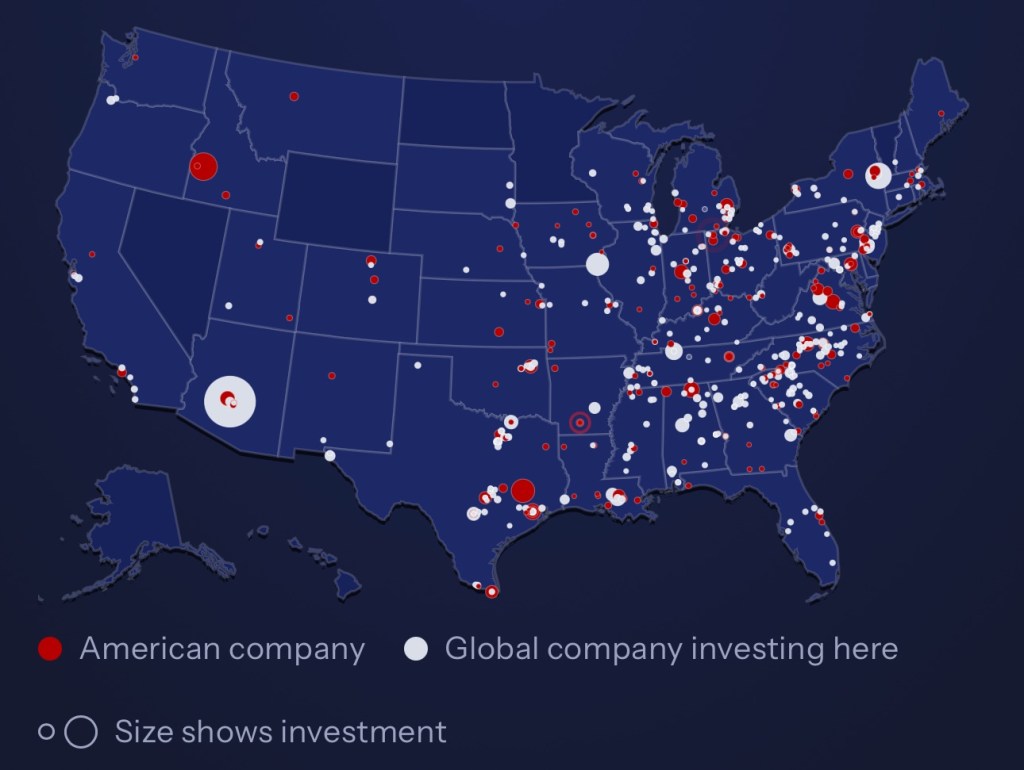
New jobs mean refreshing that near forgotten career path from operator to lead to management positions. A path that doesn’t keep you stuck at entry rates if you’re willing to put in the work.
And the growth isn’t limited to my backyard. It’s all over the country.
For someone who’s spent the last 15 years of his career in manufacturing, this is a big deal.
Earnings drive investment and hiring
That leads us to corporate earnings. Which most understand as making CEOs and shareholders richer.
They do. But that’s not the end of it.
Higher profits are riding the coattails of more sales. That means people need more stuff, which takes more investment to get them what they need.
That’s more machines installed and more people to run them afterward.
When profits rise like this, so do job opportunities.
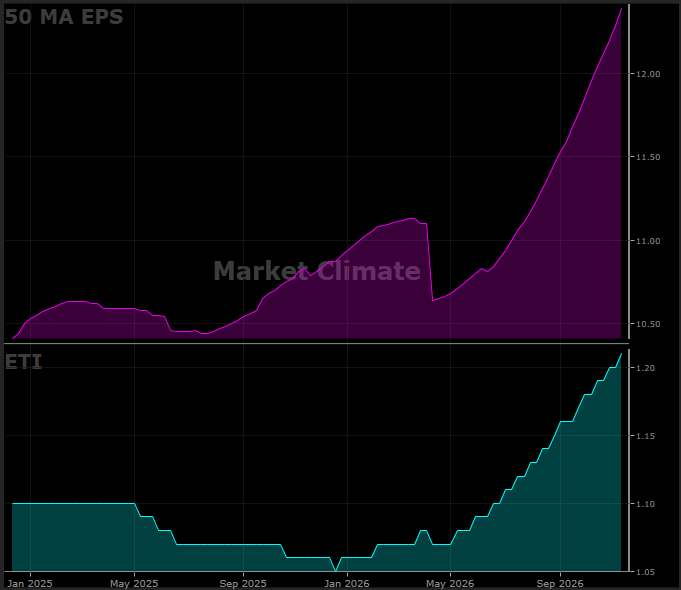
Lucky for us, profits are climbing at breakneck speeds.
Does that affect affordability? Yes.
But higher spending met with more infrastructure makes more room for this trend to run.
Low corporate income tax builds our communities
I know. On its face it sounds like we’re making the rich richer.
But a 25% tax rate on corporations takes out a lot of risk for people to start their own.
Like that corner store where workers can get a six-pack and a sandwich on the way home. Or a laundromat. Or a theater company for their kids.
Small businesses that make a community vibrant and grow past the initial large source of jobs.
Taking ground
That’s pretty appealing. But what does that have to do with this new crowd of politicians?
The way things look, economic growth isn’t the preferred way forward. Another priority is hiding beneath “affordability.”
It goes by “expanding access.”
In practice, that runs more programs through the state…through higher taxes.
Here’s the playbook: politicians promise to give a little ground, then overcommit on what that ground created.
Think about the Affordable Care Act.
Yes, more people are on health insurance. (Psst: You’re fined if you don’t have it.) But premiums keep rising double digits per year while the level of care declined.
My premiums are five times higher than when I got into manufacturing. And the only thing we have to show for it are multibillion dollar stock buybacks.
Bringing it home
This time it’s different, right?
Probably not, but it’s not the end. And it’s not something that comes to you out of the state executive offices.
What happens to you depends on whether you want to hop on to something that works.
Orders are still rising. The factories are still producing. Equipment is still going in.
And manufacturing jobs are growing.
Jobs that can help you tackle your own affordability problem.
Affiliate corner
You don’t have to tackle affordability on your own. Get some quality people in your corner with an accountability group at Tom Woods School of Life.
Subscribe today to get more posts like this delivered directly to your inbox:
Check out these related posts before you go:


Leave a Reply